Guides4 minute read
What is AI data residency, and what can you choose?
Data residency used to be a question for IT departments. With personal AI, it has become a question for anyone who asks something private.
In shortAI data residency is about the country where your information is kept and the country where an AI model works on your requests. Those are often two different places, and you can ask about both.
Related: AI storage and processing are different choices
Two places, not one
When people hear data residency, they usually think of storage: the country where files and records are kept. With AI there is a second place. Each time you ask a question, a model works on it somewhere, and that country can be different.
So the honest answer to where your data is has two parts. Where it is kept, and where it goes when you ask something.
Why it now matters to ordinary people
A few years ago, residency mostly concerned companies with contracts and auditors. Now people ask AI about a diagnosis, a dispute with a landlord, a child's school or their own money.
You do not need to be an expert to care where that goes. You only need to be told.
What you can choose in Souvéa
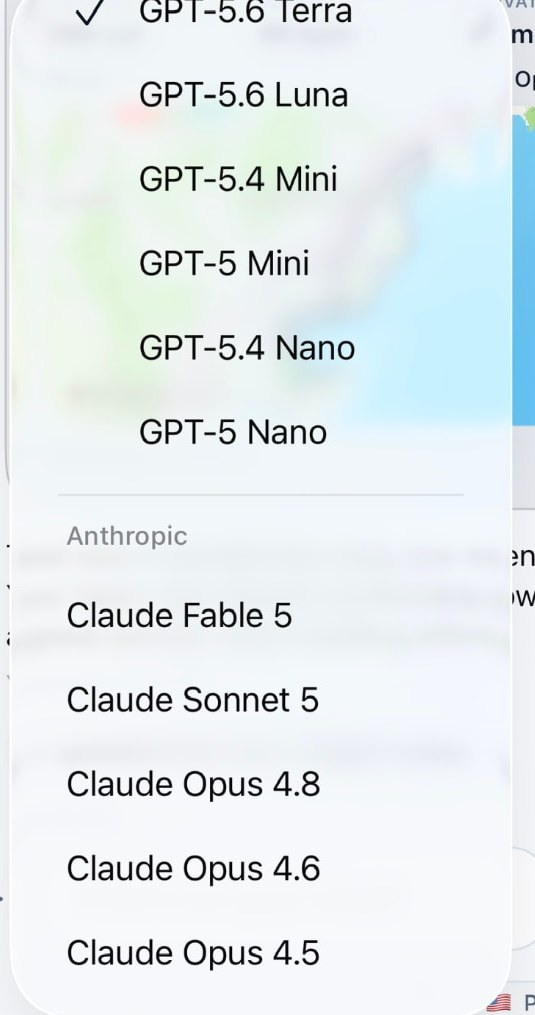
Souvéa shows the model and the processing country beside each answer. Where the model and provider support it, you can change the country.
- United States
- Canada
- Switzerland
- Sweden
- Germany
- Belgium
- The Netherlands
What it does not promise
Choosing a processing country gives you visibility and a real choice. It is not a legal guarantee, and not every model is offered in every country. Availability varies by model, provider and region.
Questions people ask
- Is data residency the same as privacy?
- No. Residency tells you where. Privacy is about who can see your information and what they may do with it. Both matter.
- Can I live in one country and choose another for processing?
- In Souvéa, yes. Where you live does not decide which supported processing countries you can choose. Availability varies by model, provider and region.