FEATURED
Getting Started
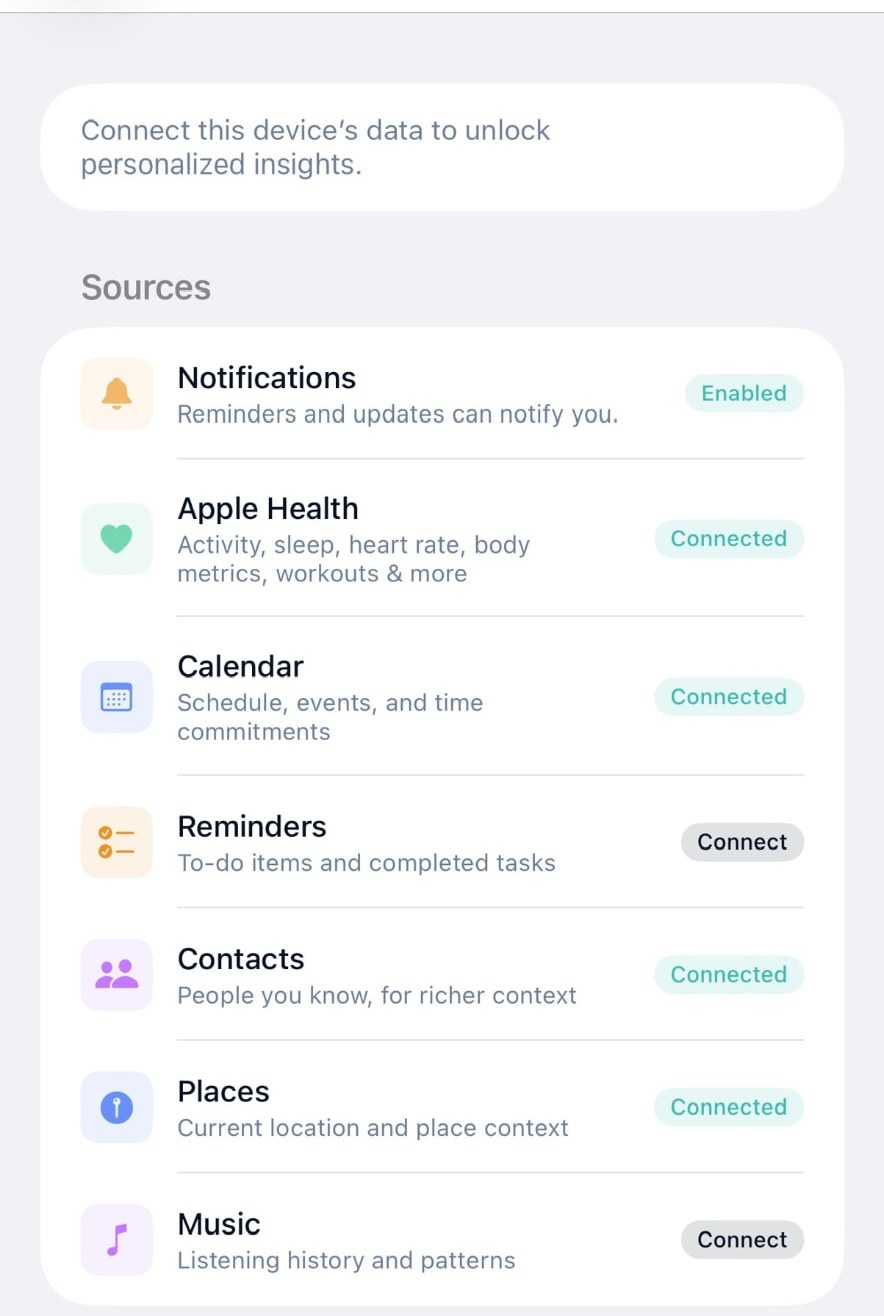
Start with one connection
The fastest way to understand Souvéa is to connect one thing you already use, then ask a real question about it.
Read article
JOURNAL
Practical guides for getting started, notes from the build and our thinking about personal AI, useful memory and staying in control of your information.
FEATURED
Getting Started
The fastest way to understand Souvéa is to connect one thing you already use, then ask a real question about it.
Read article
Point of View
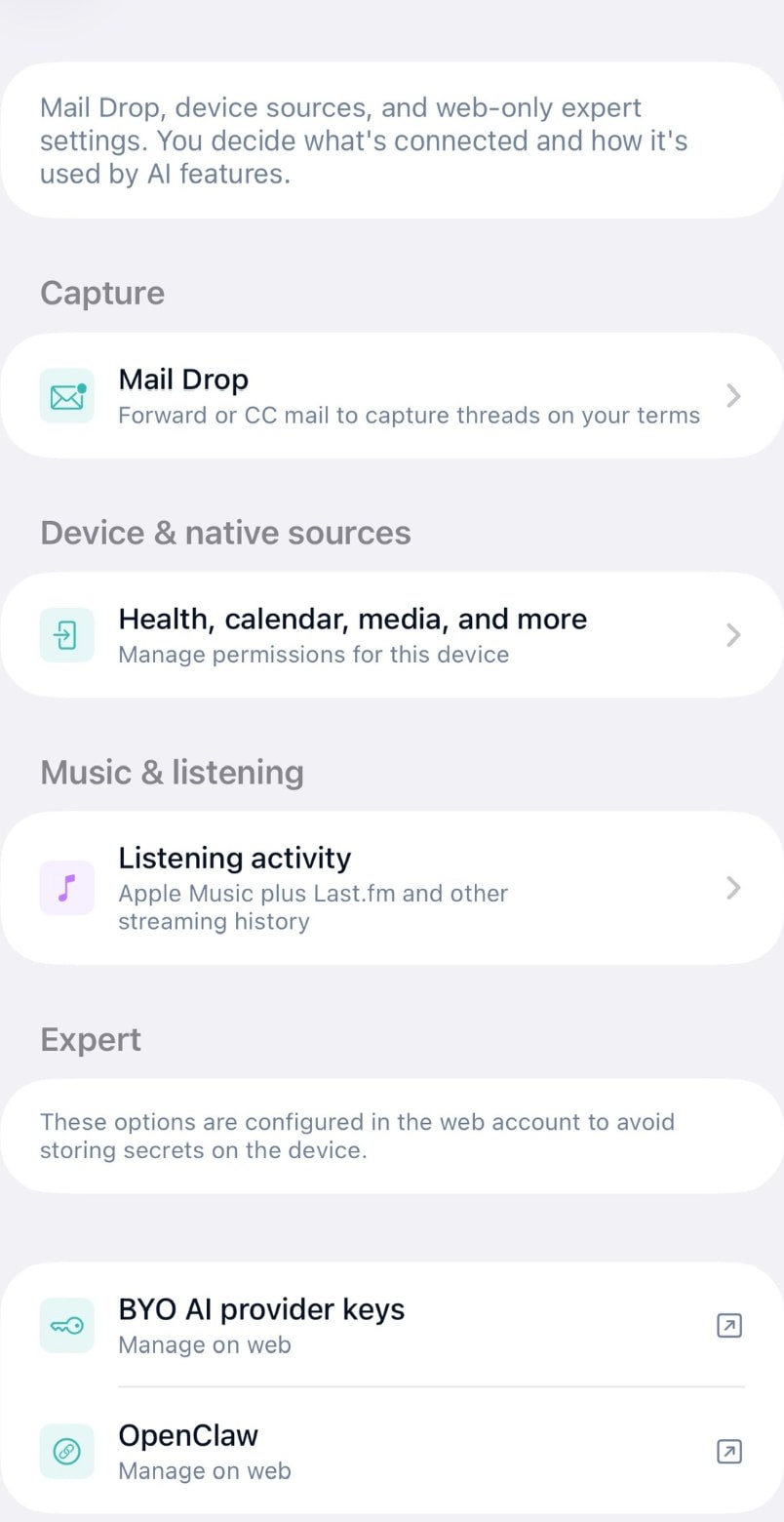
Most people try AI as an assistant, get a few good answers, and quietly stop. Usually it is not the model. It is that the assistant knows nothing about you.
Read article
Guides
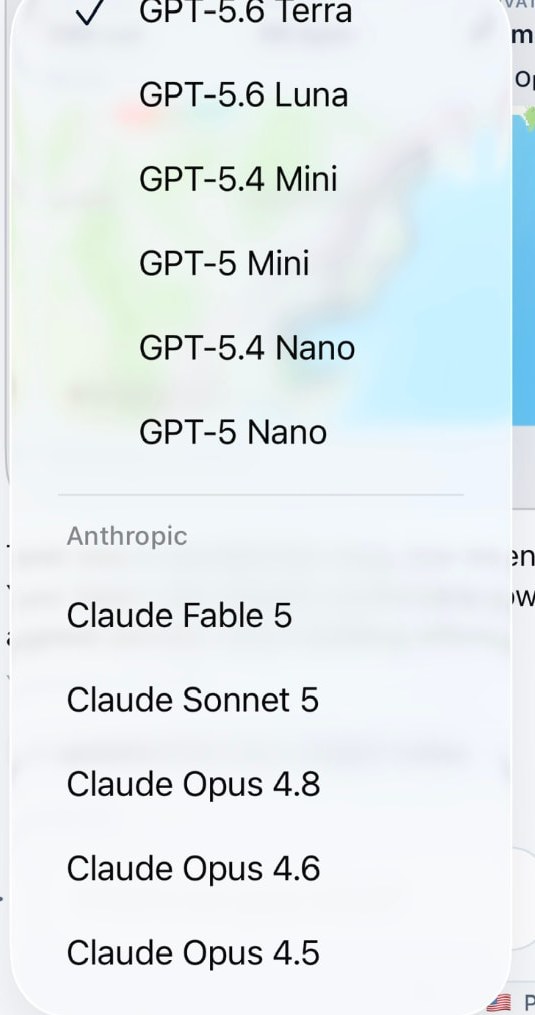
Every AI request goes somewhere. Souvéa makes the selected model and the processing country visible, and lets you change both where that is supported.
Read article
Use Cases
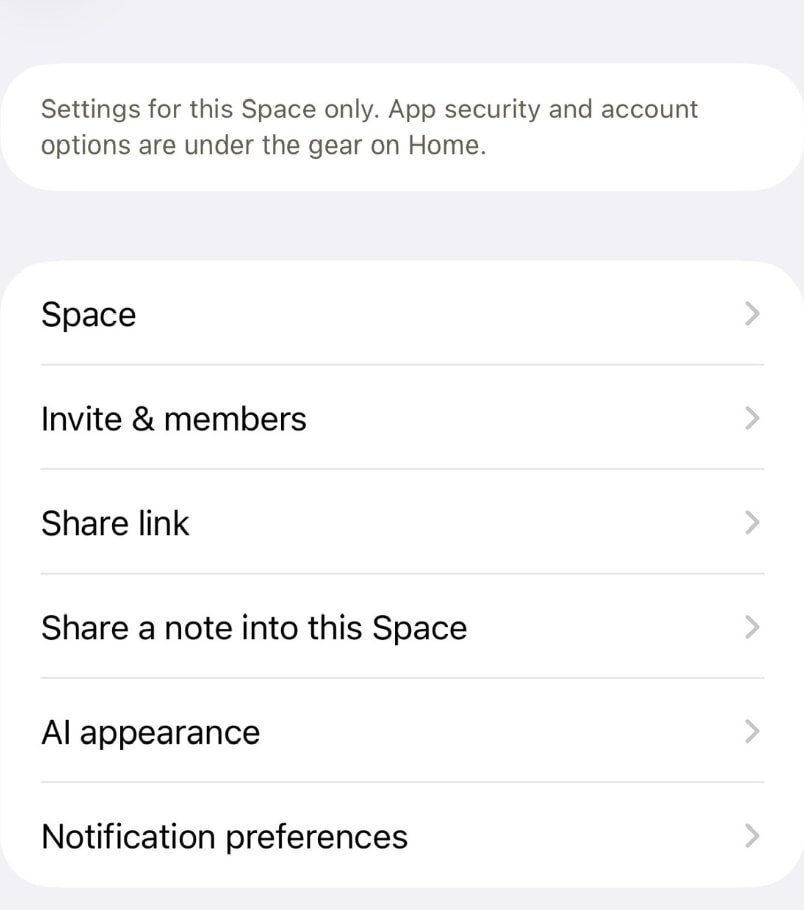
Four people, one weekend and a dozen scattered messages. A Space keeps the plan, the people and the AI in one place.
Read article
Point of View
The interesting question is not how capable assistants get. It is who ends up holding the context they run on.
Read article
Point of View
Storing everything is easy and mostly useless. The product is in what gets kept, what expires, and what quietly replaces what.
Read article
Point of View
Yes, and the demo will work. The reason most self-built assistants get abandoned by week three has almost nothing to do with the model.
Read article
Product
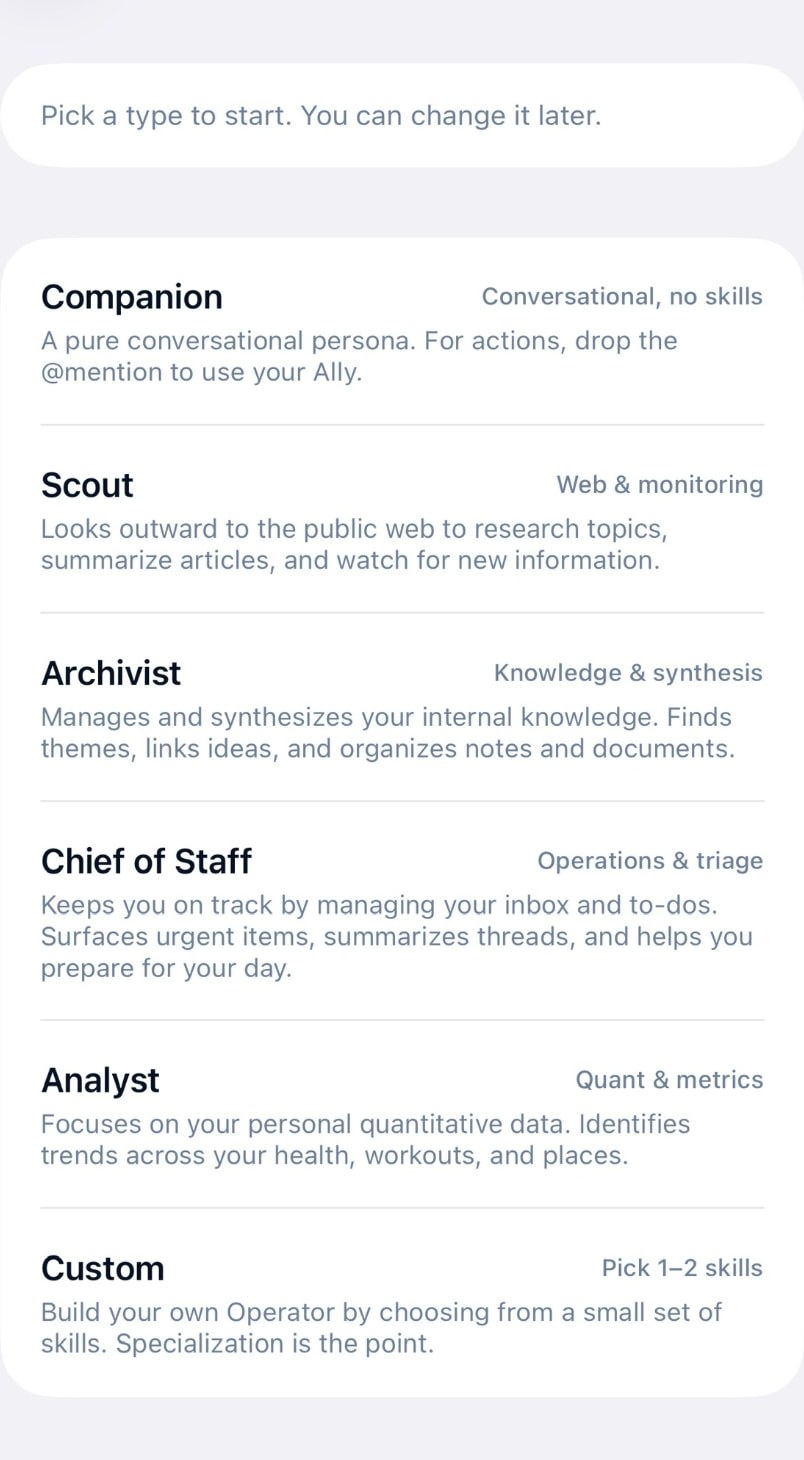
An agent in Souvéa is not a second assistant. It is a narrow helper you define, with the information you allow and the schedule you set.
Read article
Spaces
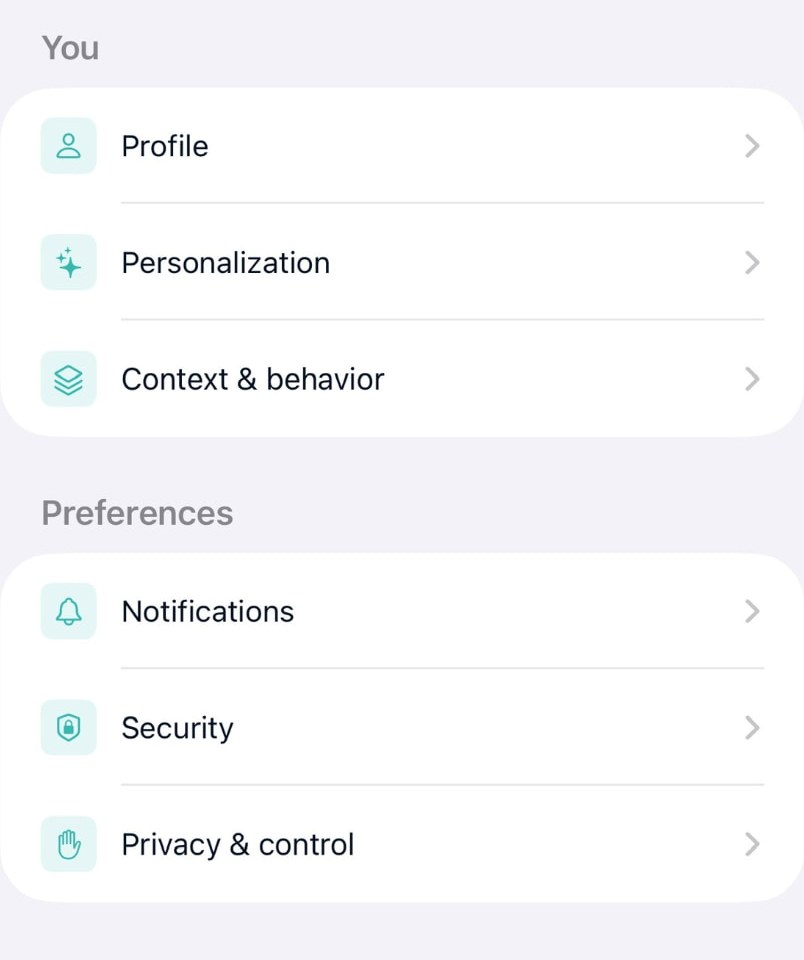
A Space connects invited people, selected information and AI. A Zone brings relevant local or specialist context to people and Spaces.
Read article
Point of View
Why we organise context around a person instead of moving a life into someone else's system.
Read article
One short letter a week. No pitching, no pressure. Unsubscribe from any of them.